

By Kris King
Race Director, Beyond the Ultimate & For Rangers Ultra
Whenever I talk to runners thinking about taking on the For Rangers Ultra, the conversation usually follows a very predictable pattern.
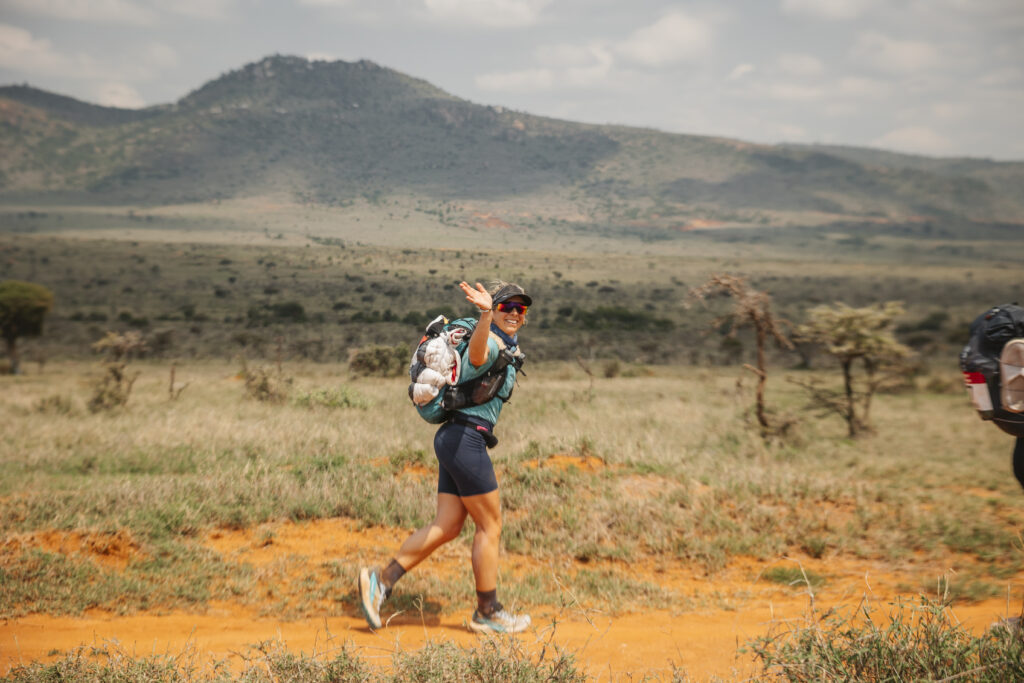
First, their eyes light up. Pictures of the open plains, Mount Kenya looming on the horizon, and the surreal feeling of moving under your own steam through some of the greatest and most protected wildlife conservancies on earth is appealing to most.
Then comes the pause. The eyebrow raises. And they ask the question that is sitting in the back of everyone’s mind:
“Kris… aren’t there lions, elephants, and rhinos out there? How do the team keep us safe?”
I still think it’s the best question in ultra running. And the honest answer is why this race is the most extraordinary thing I’ve ever been a part of.
A Decade on Foot in the Wild
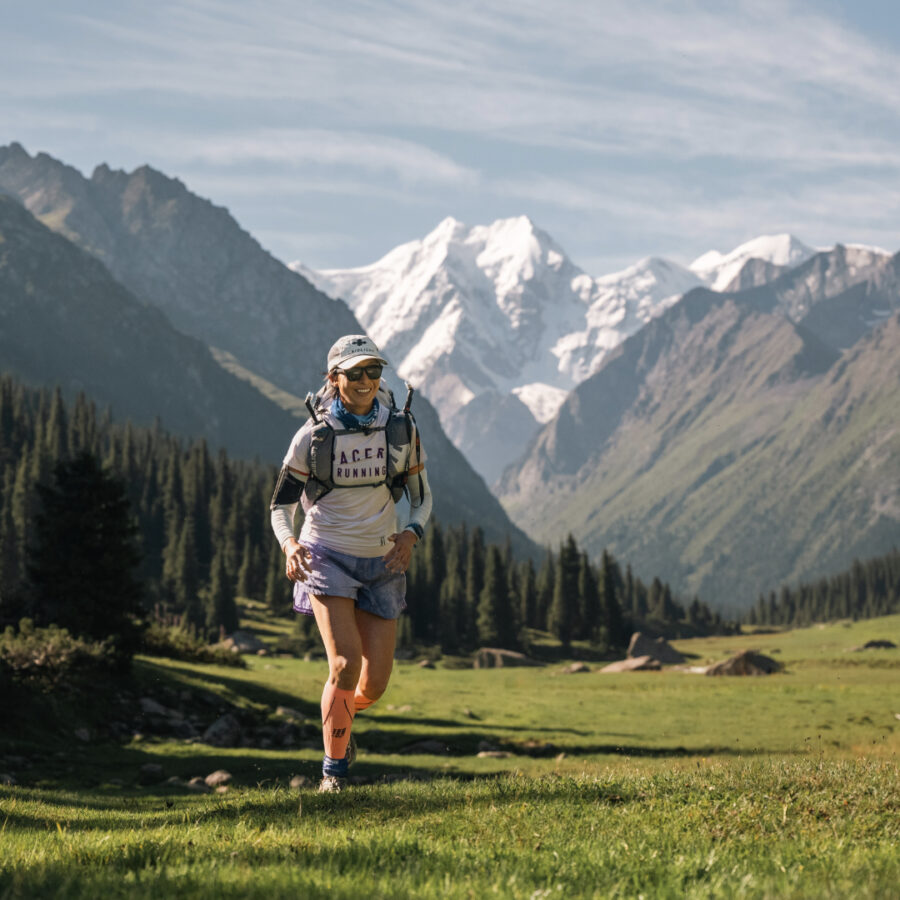
Let’s start with a reminder that we at Beyond the Ultimate have been operating expedition races for 15+ years. From sub-zero temperatures of Arctic Sweden and the dense humidity of the Peruvian Amazon to the high mountain passes of Kyrgyzstan, remote environments are what we do. The more logistically complex, the more excited we get. Over the years, our operational track record has led us to consult on safety systems for projects in a variety of complex, unforgiving terrains.
That all comes down to the depth of experience across our team. Personally, I have led races and expeditions for over 15 years, overseeing more than 40 complex and remote events around the world, alongside years of coaching and competing as an ultra runner myself. Our team doesn’t direct these races from behind a desk; we understand what it feels like to be out on the trails, pushing your limits, and what kind of support you need around you when conditions get tough.
For the past 10 years in Kenya, we’ve taken that experience, teamed up with Save the Rhino and ForRangers, and applied that collective hive mind to a challenge unlike any other: allowing runners to experience Kenya entirely on foot, self-sufficient, at a safe distance, without fences and without compromising the animals that call it home.
The event is also a non-profit, which is really unique in the ultra-running world. As we head into this next edition, we are closing in on £1,000,000 raised directly for ranger and rhino welfare. That money equips frontline wildlife rangers across Africa with gear, training, insurance, and medical cover. These are men and women who put their lives on the line daily to protect endangered species from poaching. When you run this race, you aren’t just an athlete passing through; you are running alongside the very people safeguarding the future of the species you see on trail. It gives the event a purpose and a soul that you simply will not find anywhere else.
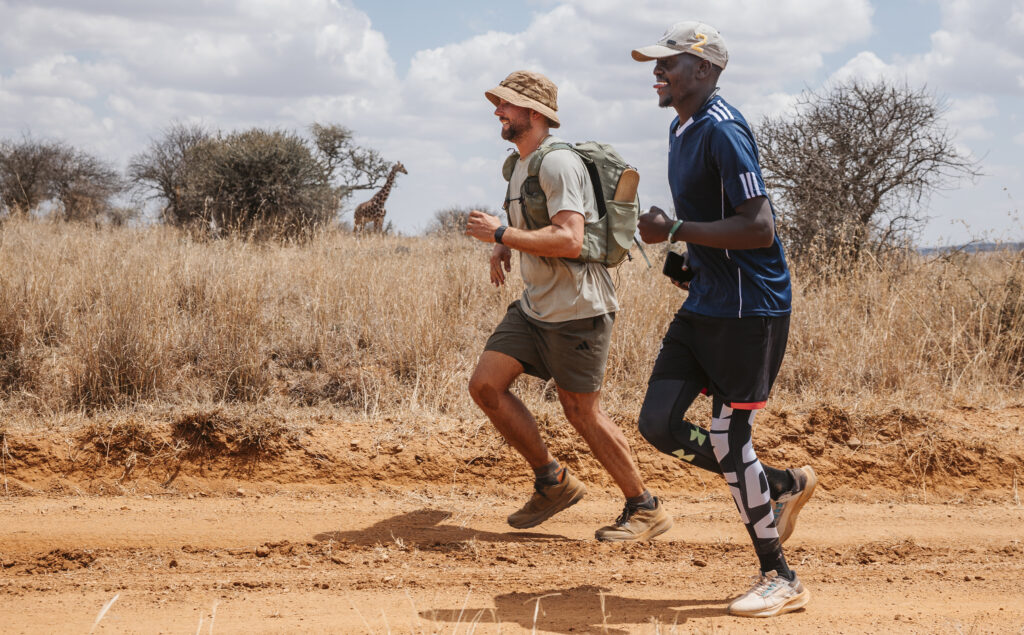
How do we keep you safe?
When people imagine running among wild animals, they often assume it must be either completely reckless or somehow sanitised.
The reality is neither. The landscapes we cross are vast, active wildlife environments where animals roam freely. But behind the scenes, there is an operational machine running that we have spent over a decade testing, refining, and perfecting. We do not rely on luck, we do not hope for the best, and we leave zero room for guesswork.
Over 15 years of operating remote expeditions and consulting on safety systems worldwide, we learned that true safety in complex environments is never about reacting after something happens; it is about proactive, overlapping layers of control. Every single person, aircraft, vehicle, and radio channel has an exact job to do from first light until the final runner is safely accounted for in camp.
It comes down to a gold-standard safety system built around three distinct, continuous pillars: Observe, Manage the Wildlife, and Manage the Race. Each layer feeds into the next, creating a living safety net that protects you every mile of the way while preserving the raw adventure you came for.
1. Observe: Building the Intel
Safety in this environment is all about information. You cannot manage what you haven’t seen.
Before and during every stage, our primary focus is building as much real-time information as possible and feeding it into a central command structure. We operate two dedicated headquarters simultaneously:
- Local Operations HQ (Kenya): Focused 100% on wildlife intelligence, conservancy coordination, and route safety.
- Global Race HQ (UK): Focused on the runners, live tracking, timings, weather, and overall race flow.
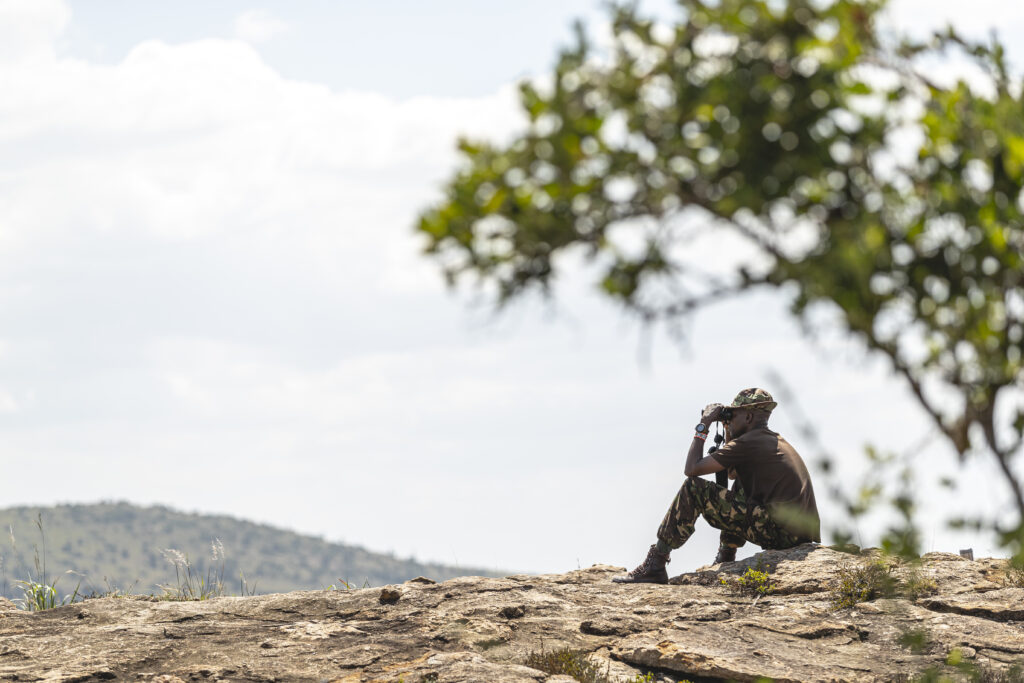
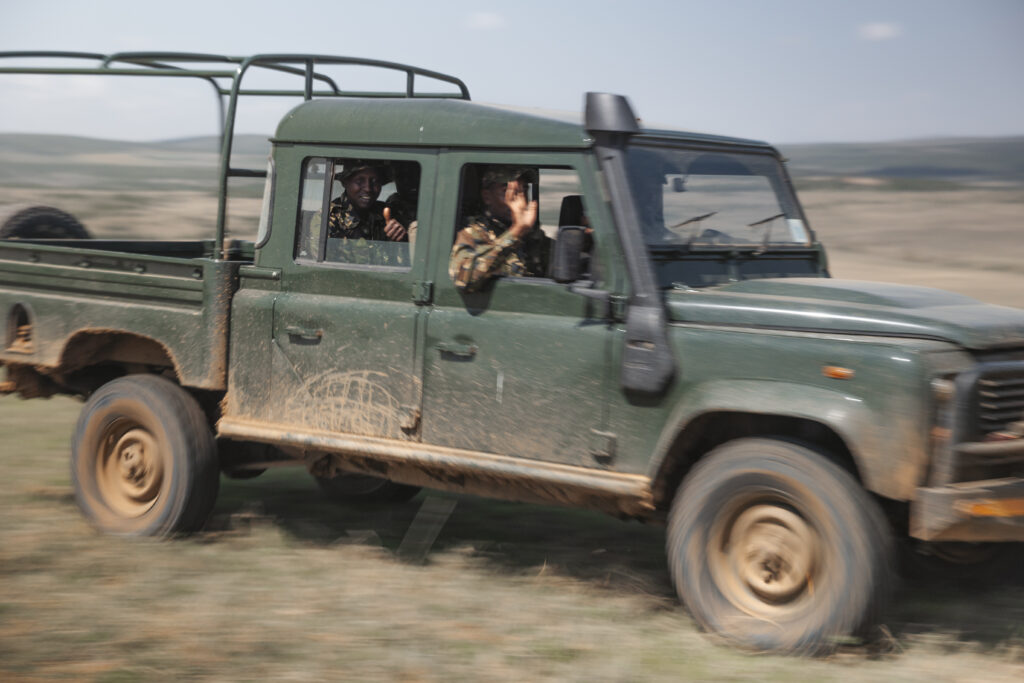
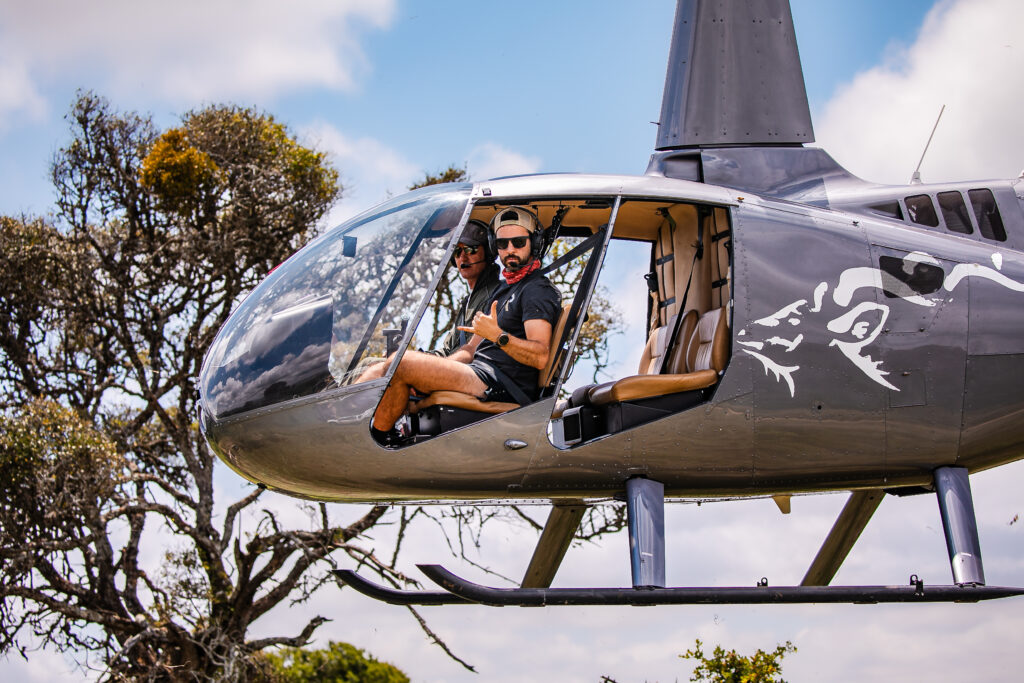
To feed the wildlife team on the ground, we put eyes all over the landscape. Every single day, we have an average of 100–150 armed rangers scattered along the course route. On top of that, we have our own helicopter in the air and a fixed-wing plane patrolling the wider conservancy boundaries.
All of these eyes on the ground and in the air are constantly observing the landscape and reporting back to our Wildlife Management team. That team is led by Sam Taylor, the founder of For Rangers. Sam brings decades of hands-on experience in conservation and wildlife management. Having someone with Sam’s level of expertise reading animal behaviour and coordinating the conservancies gives us an unmatched operational picture before runners even arrive in an area.
2. Manage the Wildlife
Once that intel is built, the team, managed by Sam control the wildlife to the best of their ability.
By its very nature, wildlife in the bush can sometimes be hard to spot, whether an animal is tucked into thick acacia scrub, resting in a dry riverbed, or moving through broken ground. Being entirely candid, no system dealing with wild animals in a natural habitat can be considered 100% infallible. But with the sheer volume of resources we throw at it, the spotter plane, the helicopter, and over a hundred rangers on the ground every day, we work relentlessly to provide the highest-standard and most realistic safety net possible.
It is a completely unique task because wild animals behave differently depending on the species, the herd size, the heat of the day, and the terrain. Our job is to balance the incredible experience of runners seeing wildlife at a safe distance with the fundamental rule of animal welfare: the animals must never be stressed or unnecessarily disturbed.
If wildlife does drift close to the route, we step in early to manage the space. We can gently coerce animals away from the trail using ground ranger teams or the helicopter.
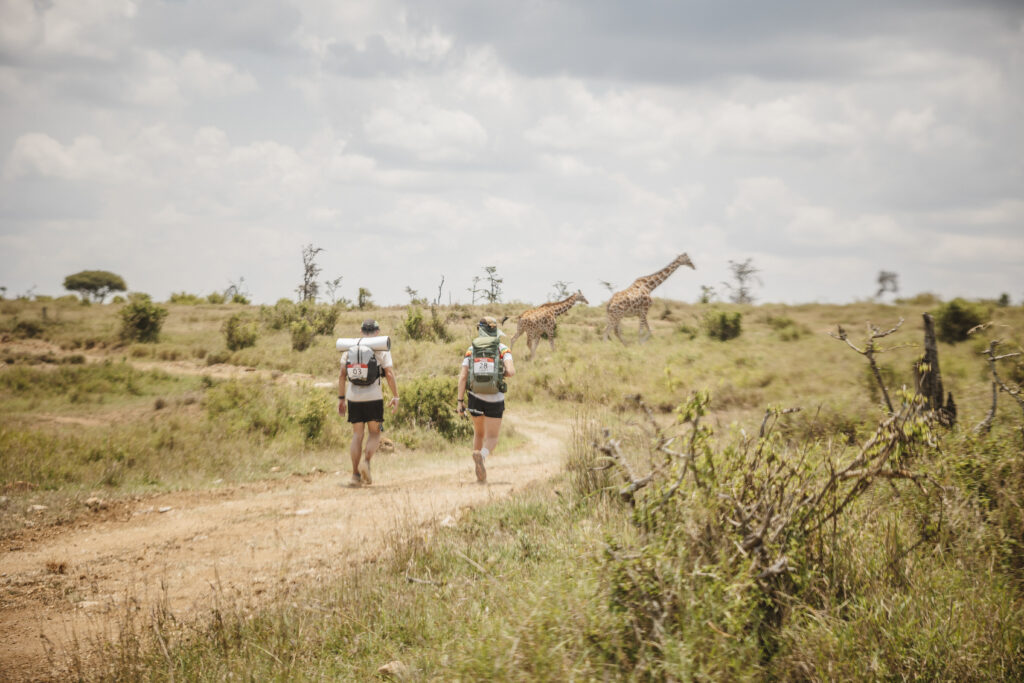
Very often, it’s simply about managing an animal towards a water source. If an elephant or a herd needs to cross the track to drink, we will temporarily hold a group of runners at a safe vantage point to let the animals pass undisturbed.
It’s not just safer to do this, it’s an unbelievable experience for the runner. I’ve had runners tell me those brief holds were the single best moments of their running lives: standing there in their running kit, water bottle in hand, watching a family of elephants stroll across the trail a few hundred metres away while armed rangers smile beside them. You don’t get that at a city marathon.
3. Manage the Race, the Medics, and the Tracking
While Sam and the wildlife team are managing the landscape, our race team manages the day-to-day reality of an ultramarathon. That largely comes down to two things: best-in-class medical cover and our Race HQ with live tracking.
Medical Cover – Experienced Clinicians in Remote Environments
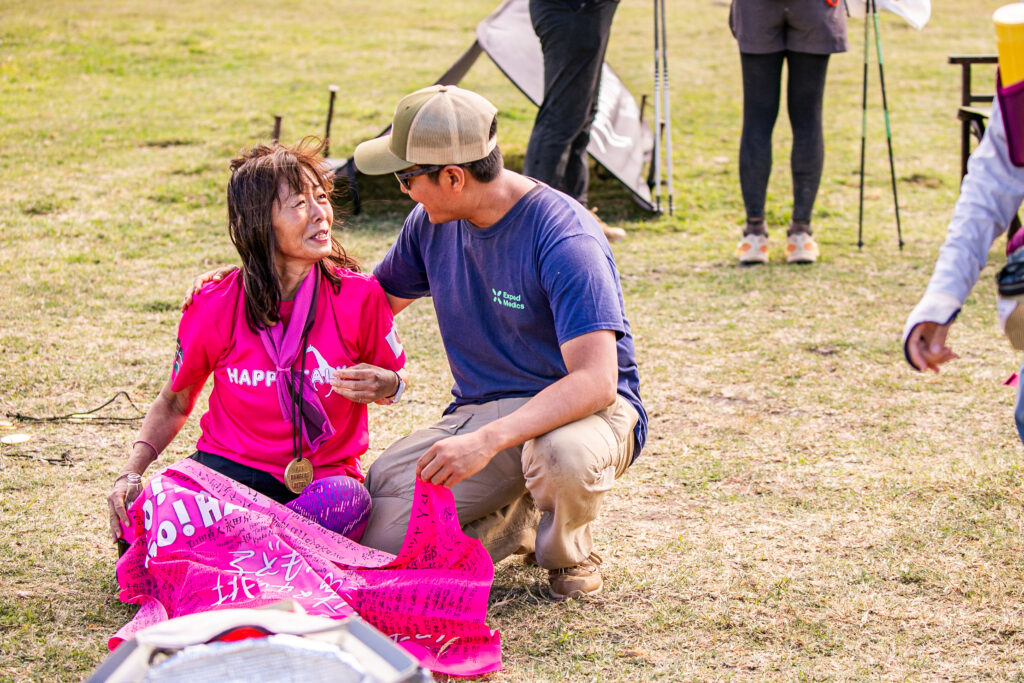
When we build the team behind a Beyond the Ultimate race, Global Expedition Medics (GEM) is always one of the first names on the team sheet, providing experienced clinical teams across the course and at key checkpoints.
Medical provision at a remote ultra needs to go far beyond basic first aid. When competitors may be hours, even days, from hospital care, dealing with extreme environments, cumulative fatigue and the demands of multi-stage racing, we need clinicians who can recognise deterioration early, manage problems effectively and make confident, timely decisions in challenging conditions.
GEM provides a multidisciplinary team of experienced doctors, paramedics and nurses, all with years of frontline clinical work behind them. Their experience spans emergency and pre-hospital medicine, primary and acute care, incident management, evacuation planning and execution, and clinical leadership, often in complex environments where resources are limited and sound judgement is essential.
That expertise is supported by high-quality medical equipment selected for remote and endurance use, giving GEM clinicians the tools to assess, monitor and treat runners effectively wherever they are on the course.
Just as importantly, they understand expedition racing. GEM clinicians have extensive experience supporting multi-stage ultramarathons and expeditions worldwide, and some have competed in, and even won, these races themselves. Many hold additional qualifications in expedition and wilderness medicine, while others bring operational experience from the military, search and rescue, mountaineering and other specialist outdoor backgrounds.
That combination of clinical expertise, specialist equipment and race knowledge matters. GEM clinicians can tell the expected effects of prolonged endurance racing from signs that a runner needs closer assessment or treatment.
If you run into trouble, you can be confident you are in the hands of experienced clinicians equipped to assess you, treat problems early and support you wherever possible.
Live Tracking: 24/7 Real-Time Oversight
Every single runner on our course carries a dedicated, satellite tracker attached to their pack.
In a lot of standard races, tracking is little more than a spectator gimmick with slow, delayed pings once or twice an hour. Out here, tracking is a critical, life-saving operational tool. Our Global Operations HQ in the UK monitors every single device via a military grade piece of software in real time, receiving continuous, high-frequency location data for every competitor moving across the landscape.
Because our UK team operates in a dedicated, distraction-free environment, they have full visibility over the entire race field. They aren’t just looking at dots on a screen; they are actively tracking speed, pacing patterns, directional movement, and stage cut-offs.
If an athlete wanders off the marked route, misses a turn in the bush, or stops moving unexpectedly between checkpoints, an automated alert triggers on the operations desk immediately. We don’t wait for a runner to miss a cut-off hours later at the next checkpoint to realise something is wrong. We know within minutes.
Our UK tracking desk also maintains a live, uninterrupted communications link with our Local Operations HQ on the ground in Kenya. The moment an anomaly is flagged, the UK desk feeds the exact GPS grid coordinates straight to our local team, who are patched in via satellite comms and two-way radio to every mobile 4×4 unit, medical vehicle, and ranger patrol along the route. Within moments, the closest team on the ground is redirected directly to the runner’s location.
When you are out in the middle of a stage, running through the heat with nobody in sight, it can feel like you are completely alone in the wild. But the reality is that you are never off our radar. There is a team thousands of miles away watching your every step, backed by a fleet of vehicles and armed rangers ready to move to your side at a moment’s notice.
The Start Line Is Waiting
Running across the Kenyan savannah surrounded by wildlife will always sound daunting, and rightly so. It is a genuine, raw, self-sufficient expedition through some of the most beautiful regions of Kenya.
But hopefully now you are rest assured that out here, we leave absolutely nothing to chance.
When you stand on that start line, you are backed by an operations team that has delivered more than 40 complex expeditions across the globe, the highest tier of front-line clinical care in the sport, 24/7 real-time satellite surveillance, and over a hundred dedicated rangers guarding your back every single mile.
If you are looking for an adventure that will challenge you to your core while directly supporting the men and women protecting endangered wildlife on the front lines, stop wondering what it feels like.
Take the leap, get your training started, and come join us in Kenya. You will be in the safest hands in the business.
See you on the startline.
Kris